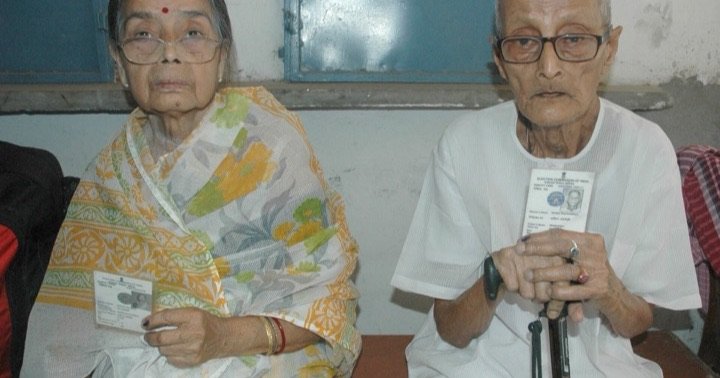
Every candidate contesting a Lok Sabha or assembly election files a sworn affidavit listing pending criminal cases, assets and education. It is public and free to download.
Why candidates must disclose
In Union of India v Association for Democratic Reforms (2002), the Supreme Court held that voters have a right to know the antecedents of candidates, as part of the freedom of expression under Article 19(1)(a). After that ruling and a follow-up judgment in 2003, candidates were required to disclose criminal cases, assets and liabilities, and educational qualifications. The affidavit is filed in Form 26 along with the nomination.
In Public Interest Foundation v Union of India (2018), the court went further. Candidates with pending criminal cases must declare them in bold letters, tell their party, and publicise them at least three times in newspapers and on television after filing the nomination. Parties must also publish this information on their websites.
Where to find it
- The Election Commission's affidavit portal, affidavit.eci.gov.in, lists candidates by election, state and constituency, with scanned affidavits.
- The Voter Helpline app and the "Know Your Candidate" app from the Election Commission show the same information on your phone.
- The Association for Democratic Reforms runs MyNeta, which digitises affidavits and lets you compare candidates and track how a politician's declared assets changed between elections.
What to look for
Pending criminal cases: the affidavit lists each case with the court, the case number, the sections of law and whether charges have been framed. Note the difference between a case where charges have been framed by a court and a complaint or FIR still under investigation. A charge is not a conviction, but charges of murder, corruption or violence against women are the ones voters most often ask about.
Convictions: the affidavit must also list any conviction, even if the sentence did not disqualify the candidate.
Assets and liabilities: movable assets (cash, bank deposits, shares, vehicles, jewellery) and immovable assets (land, buildings) are listed for the candidate, spouse and dependants. Compare with the previous affidavit. Large jumps in five years are a fair question to ask.
Sources of income: the affidavit lists the candidate's and spouse's sources of income, and the income declared in recent tax returns.
Government dues: unpaid dues on government accommodation, electricity, water and telephone must be declared.
Education: the highest qualification, the institution and the year.
If you think an affidavit is false
Filing a false affidavit or concealing information is an offence under Section 125A of the Representation of the People Act, 1951, punishable with imprisonment of up to six months, a fine, or both. A complaint can be made before a magistrate. An election petition can also be filed in the High Court.
Before polling day
Download the affidavits of the candidates in your constituency once nominations close. If a declared figure looks wrong, the candidate's campaign office and local reporters are the people to ask.
Read the documents yourself
Spotted an error? Write to devv@agnicorpmedia.com. Every correction is listed in our corrections log.